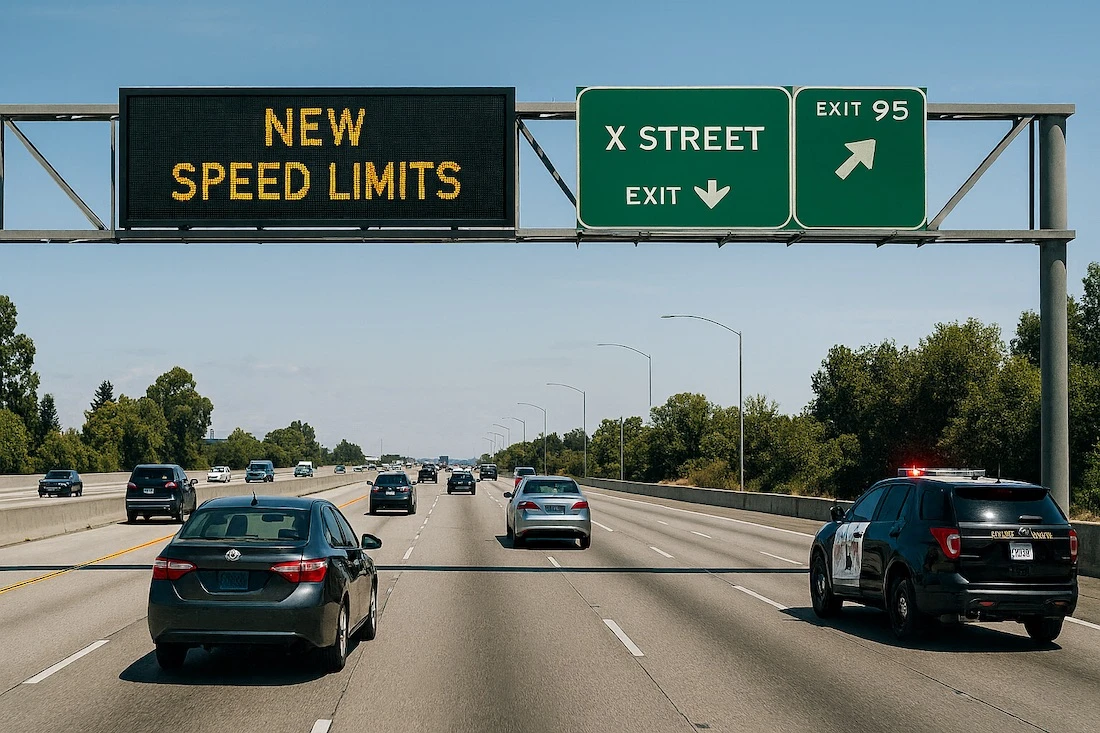
Top 2025 California Traffic Law Changes Every Driver Must Know
Driving in California is constantly evolving. Each year, new traffic laws are introduced to improve safety, modernize enforcement, and address the challenges of sharing the road in one of the busiest states in the country. As of 2025, California drivers face several important changes that could impact everything from daily commutes to the financial costs of an accident.
Whether you drive in Sacramento, Roseville, Los Angeles, or any part of the state, staying informed about these changes is the key to avoiding costly mistakes and protecting your rights. This comprehensive guide breaks down what you need to know about California’s traffic laws in 2025, why these laws matter, and how Hoss Law can help if you have been injured in an accident.
Why California Updates Traffic Laws
California consistently leads the nation in road safety initiatives. With nearly 30 million registered vehicles and some of the most congested highways in the country, lawmakers face ongoing pressure to reduce collisions, improve pedestrian and cyclist safety, and ensure fairness in enforcement.
2025’s new traffic laws and updates are designed with three goals in mind:
Enhance road safety
Modernize traffic enforcement
Protect vulnerable road users such as cyclists and pedestrians
Understanding these laws is essential not only to avoid penalties but also to help prevent serious injuries and costly legal disputes.
Stricter Rules for Phone Use While Driving
Distracted driving continues to be one of the leading causes of collisions in California. In 2025, the state has closed what many called a loophole in the phone law. Previously, some drivers argued they could use GPS apps or tap their phones briefly without violating the hands-free law. The updated rules now make it clear that all phone use while driving must be hands-free.
Key details of the updated law include:
Phones must be mounted in the lower left or right corner of the windshield.
Drivers may only use a single finger to swipe or tap when the vehicle is in motion.
Holding a phone in your hand for any reason while driving is prohibited.
Failure to follow these rules can lead to fines, points on your license, and higher insurance rates. More importantly, violations increase the risk of accidents caused by distraction.
Daylighting Crosswalks for Safer Pedestrian Access
One of the most important safety updates in 2025 is the implementation of Assembly Bill 413, also known as the Daylighting to Save Lives Bill. This law requires vehicles to park further away from crosswalks in order to improve visibility.
Parking too close to a crosswalk often blocks the line of sight between drivers and pedestrians, leading to preventable collisions. By restricting parking within 20 feet of a marked or unmarked crosswalk, California joins more than 40 other states in adopting daylighting rules.
The law includes a grace period with warnings early in 2025, but fines will be issued as the year progresses.
Expected outcomes of this law include:
Better visibility for pedestrians crossing intersections
Safer walking conditions for children, seniors, and cyclists
Reduced risk of right-turn collisions at busy corners
Revised Minimum Insurance Requirements
Perhaps the most financially significant change for drivers in 2025 comes with Senate Bill 1107. For decades, California’s minimum liability insurance requirements remained unchanged at 15/30/5, meaning $15,000 coverage for one person injured, $30,000 for multiple people injured, and $5,000 for property damage.
Beginning January 1, 2025, those minimums increase substantially:
| Coverage Type | Previous Minimum | New Minimum (2025) |
|---|---|---|
| Injury/Death of One Person | $15,000 | $30,000 |
| Injury/Death of Multiple | $30,000 | $60,000 |
| Property Damage | $5,000 | $15,000 |
Drivers who fail to update their policies may face fines, license suspension, or the risk of being severely underinsured in the event of a collision. For anyone involved in an accident, this change means that victims will have access to more compensation from at-fault drivers, but it also increases the financial responsibility of maintaining insurance.
Enforcement of Street Takeover Laws
Street takeovers have grown into a serious safety issue across California. These illegal gatherings involve large groups of vehicles blocking roads and performing dangerous stunts. In response, lawmakers passed several Assembly Bills to give law enforcement stronger tools to combat the problem.
Key laws taking effect in 2025 include:
AB 1978: Allows law enforcement to impound vehicles blocking highways or parking facilities without detaining the driver.
AB 2186: Authorizes impoundment of vehicles used in street takeovers from off-street parking facilities for up to 30 days.
AB 2807: Expands the definition of street takeovers to include sideshows.
AB 3085: Permits impoundment through warrant or court order for vehicles involved in takeovers.
These measures aim to discourage participation in takeovers by targeting the vehicles themselves, which are often central to the events.
Enforcement Focus on Equipment Violations
California is also changing how police enforce equipment violations. As of 2025, officers may not pull drivers over for minor equipment issues unless the defect creates a safety hazard.
Examples of non-safety defects include things like minor cracks in taillights or missing decorative covers. Under the new law, such infractions should no longer result in a stop unless they affect the vehicle’s safe operation.
The goal is to promote fairness, reduce unnecessary traffic stops, and focus law enforcement resources on genuine safety risks.
Pedestrian Right-of-Way and Intersection Safety
Along with daylighting rules, California is strengthening right-of-way protections for pedestrians. Drivers must now ensure that crosswalks are completely clear before turning at intersections. Additionally, vehicles are required to come to a full stop behind the white limit line at red lights.
These updates are intended to reduce collisions involving pedestrians and cyclists at busy intersections. Violations may be treated as moving violations or even reckless driving, depending on the circumstances.
DUI Laws Remain Strict
California’s stance on driving under the influence remains one of the strictest in the nation. While no new thresholds were added in 2025, lawmakers continue to reinforce existing penalties and increase public awareness.
Drivers should be aware that DUI offenses not only carry criminal penalties but also increase civil liability in the event of an accident. For anyone injured by an impaired driver, these laws provide strong grounds for pursuing compensation.
Insurance Implications for California Drivers
With higher minimum coverage requirements, more drivers will face increased insurance premiums. However, the changes also reduce the risk of accident victims being left with uncovered losses.
It is important for drivers to:
Review and update policies before January 1, 2025.
Consider coverage above the new minimums, especially in high-risk areas.
Understand that insurance companies may raise rates to reflect increased liability exposure.
Failing to update coverage can result in penalties and leave drivers financially exposed if an accident occurs.
Public Awareness Campaigns
California is also launching heightened public awareness campaigns in 2025 to help drivers adapt to the changes. These campaigns focus on distracted driving, speed regulation, pedestrian safety, and insurance compliance.
Educational initiatives, social media outreach, and visible enforcement efforts are all part of the broader strategy to reduce collisions and promote safe driving.
Why These Changes Matter for Drivers
Every change to California traffic law impacts how drivers, cyclists, and pedestrians interact on the road. For example:
Stricter phone rules mean fewer distractions but also more enforcement stops.
Crosswalk daylighting improves visibility but may affect parking availability in dense urban areas.
Higher insurance minimums create better protection for accident victims but increase monthly costs for drivers.
Street takeover laws demonstrate the state’s determination to address reckless driving behavior through vehicle impoundment.
For the average driver, staying informed and compliant is the best way to avoid fines, points, and potential liability.
How Hoss Law Can Help
At Hoss Law, we understand how confusing it can be to keep up with California’s evolving traffic laws. With more than 14 years of legal experience in Roseville and Sacramento, our team has transitioned from family law to a dedicated personal injury practice focused on helping victims of accidents.
If you have been injured in a car accident, whether caused by distracted driving, failure to yield, or reckless behavior, our team is here to help you:
Understand your rights under the new 2025 traffic laws
Navigate insurance disputes, including updated coverage requirements
Build strong evidence in cases involving pedestrian or cyclist injuries
Pursue fair compensation for medical bills, lost wages, and pain and suffering
Our approach is compassionate, professional, and client-focused. We know that accidents do not just cause physical harm but also bring stress, financial strain, and uncertainty. Our role is to provide clarity and legal guidance every step of the way.
Frequently Asked Questions
What happens if I do not update my insurance by 2025?
You may face fines, license suspension, and increased liability exposure in the event of an accident.
Can police still stop me for broken equipment?
Only if the defect affects safety. Non-safety defects should not result in a stop under the new rules.
What is the daylighting rule?
Drivers may not park within 20 feet of a crosswalk to improve visibility for pedestrians and other road users.
Are there income-based speeding fines in California?
As of 2025, there are no confirmed income-based speeding fines in California. Some proposals have been discussed, but no law has been enacted.
How do new laws affect pedestrian safety?
Drivers must stop fully behind the limit line, clear crosswalks completely before turning, and avoid parking near crosswalks to ensure visibility.
About Hoss Law
California’s traffic laws in 2025 reflect the state’s commitment to safer, fairer roads. From stricter distracted driving rules to higher insurance requirements and new protections for pedestrians, these updates impact every driver. Staying informed is not optional; it is essential for avoiding penalties and protecting yourself in the event of an accident.
At Hoss Law, we are proud to serve drivers and injury victims across Roseville and Sacramento. With years of experience, we provide the clarity and support you need to navigate California’s changing traffic laws. If you have questions or need legal assistance after an accident, contact our office for a free consultation.
Disclaimer: This article is intended for general informational purposes only and does not constitute legal advice. California traffic laws are subject to change, and the information provided may not reflect the most current legal standards. Reading this blog does not create an attorney-client relationship. If you have questions about how these laws apply to your specific situation, you should consult with a qualified attorney or the appropriate legal authority.