When Cold Weather Catches Californians Off Guard
In Roseville and throughout the Sacramento region, winter doesn’t always arrive with warning. One week it’s clear and mild, and the next, rain and cold sweep through, creating slick sidewalks, dark mornings, and hidden dangers. Early-season storms can turn an ordinary day into a trip to the emergency room, and sometimes, into a legal case.
Even mild California winters bring conditions that catch property owners and drivers unprepared. When businesses, landlords, or municipalities fail to prepare for these changes, they can become legally responsible for the injuries that follow. Understanding how early winter hazards develop, and what the law expects from property owners, can help you stay protected and know when to take legal action.
The Common Early-Season Hazards in Roseville and Sacramento
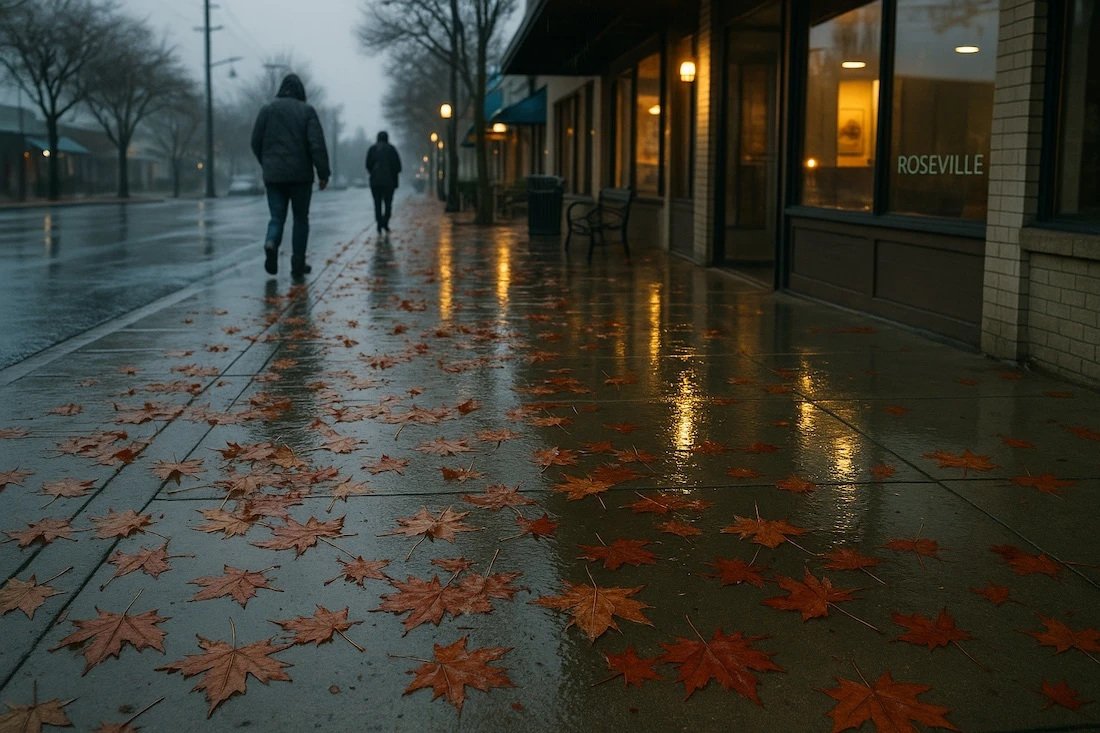
Early winter in Northern California may not bring ice or snow, but it creates plenty of hazards that lead to serious accidents. Common examples include:
-
Wet sidewalks and parking lots from rainfall or poorly drained irrigation systems
-
Fallen leaves that hide cracks, curbs, or uneven pavement
-
Dim lighting from shorter daylight hours and unlit walkways
-
Slippery indoor floors where water is tracked in from outside
-
Leaking roofs and ceilings in offices, stores, and apartment buildings
-
Fallen debris from trees weakened by wind and heavy rain
These conditions may appear harmless at first glance, but a small slip or trip can result in lasting injuries. Businesses and property owners have a duty to address these issues before they cause harm.
Why Property Owners Have Legal Duties During Winter
Under California law, property owners and tenants must maintain reasonably safe conditions for visitors. This includes inspecting the property regularly, repairing hazards, and warning people of potential dangers.
If a store, landlord, or other property owner knows that rain makes their walkway slippery, or that tree limbs are prone to falling during storms, they are legally required to take action. Failing to do so is negligence, and when negligence leads to injury, victims may be entitled to compensation.
For example:
-
A grocery store that doesn’t dry or mark wet floors may be liable for slip and fall injuries.
-
A landlord who ignores a roof leak that causes mold or falls could be held responsible.
-
A city that fails to maintain public walkways after storms could share liability for pedestrian injuries.
Property owners can’t control the weather, but they are expected to prepare for it.
When Weather Isn’t an Excuse for Unsafe Conditions
One of the most common defenses after a weather-related accident is “It was raining, and the conditions were out of our control.” However, the law doesn’t excuse negligence simply because weather played a role.
Drivers must reduce speed and increase caution when roads are wet. Business owners must put up warning signs and use mats to prevent slips. Apartment managers must clear walkways and ensure lighting is adequate for tenants to move safely.
Insurance companies often argue that storms or early winter conditions were “unavoidable.” A skilled attorney can counter that argument by proving the hazard was predictable and preventable with basic care and maintenance.
Injuries That Often Happen in Early Winter
Seasonal hazards often lead to injuries that seem minor at first but cause lasting problems. Common examples include:
-
Slips and falls on wet sidewalks or floors
-
Back and neck injuries from sudden jolts or twisting motions
-
Fractures and sprains caused by uneven or hidden surfaces
-
Concussions from falls or falling debris
-
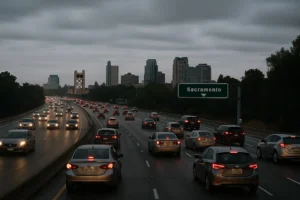
Car accidents linked to hydroplaning or reduced visibility
These incidents can occur anywhere, outside a retail store, in a parking lot, or even in your apartment building. When poor maintenance or disregard for safety plays a part, the property owner may be held legally responsible.
How to Protect Yourself Before and After an Accident
Preparation and quick action are the best ways to stay safe during early winter.
Before an accident:
-
Wear non-slip shoes during wet weather.
-
Stay alert for wet leaves, puddles, and dark walkways.
-
Avoid shortcuts through grass, gravel, or uneven ground.
After an accident:
-
Take clear photos of the hazard and surrounding area.
-
Report the incident immediately to the business or property manager.
-
Get medical attention, even if your pain feels minor.
-
Keep copies of receipts, medical reports, and correspondence.
-
Contact a personal injury attorney to discuss your rights.
Having documentation early helps preserve evidence if you need to file a claim later.
The Role of Negligence and Comparative Fault in California
California follows a comparative negligence rule, meaning multiple parties can share responsibility for an accident. If both the injured person and the property owner played a role, each party’s level of fault determines how damages are divided.
For example:
-
A store customer who slips on a wet floor without a warning sign may recover full compensation.
-
If the customer was texting or distracted, the settlement might be reduced proportionally.
Even when victims bear partial responsibility, they can still recover compensation. An attorney’s job is to demonstrate that the property owner’s negligence was the primary cause of the injury.
How Hoss Law Helps Victims of Seasonal Accidents
At Hoss Law, we understand how unpredictable California’s early winters can be, and how preventable many of these accidents are. Our firm represents clients across Roseville and Sacramento who have been injured because someone failed to take reasonable precautions.
We investigate thoroughly by:
-
Reviewing weather and maintenance records
-
Examining inspection logs, photos, and witness statements
-
Checking whether property owners followed local safety codes
-
Working with medical professionals and safety experts to document injuries
Our goal is simple: hold negligent parties accountable and secure fair compensation for victims’ medical bills, lost wages, and pain and suffering.
Preventing Early-Season Accidents Before They Happen
For property owners, a few proactive measures can make a major difference:
-
Clear leaves and debris from walkways and drains.
-
Replace dim bulbs in outdoor lighting.
-
Install mats near entrances and dry wet floors promptly.
-
Inspect roofs and gutters before the rainy season starts.
-
Post clear warning signs where hazards can’t be immediately fixed.
These small steps protect both visitors and business owners, preventing injuries and avoiding costly legal claims.
When to Call Hoss Law for Legal Guidance
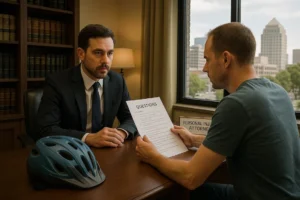
If you’ve been injured due to unsafe winter conditions, don’t wait to seek help. The longer you delay, the harder it becomes to gather evidence and prove negligence.
Call Hoss Law at (844) 4HOSSLAW to schedule a free consultation. We’ll review your case, explain your options, and help you understand your rights under California law. You don’t pay unless we win.
Stay Ready, Stay Protected This Winter
Winter hazards may seem like acts of nature, but many injuries happen because someone failed to prepare. A little maintenance, awareness, and responsibility go a long way in preventing accidents.
If a property owner or driver’s negligence turned your ordinary day into an emergency, you deserve justice. The attorneys at Hoss Law are here to make sure your recovery, both physical and financial, is protected every step of the way.
Disclaimer: This blog post is for informational purposes only and does not constitute legal advice. Reading this article does not create an attorney-client relationship. For specific legal guidance regarding your accident or injuries, contact Hoss Law directly.