Why Hidden Slip and Fall Hazards Increase During Sacramento Holiday Events
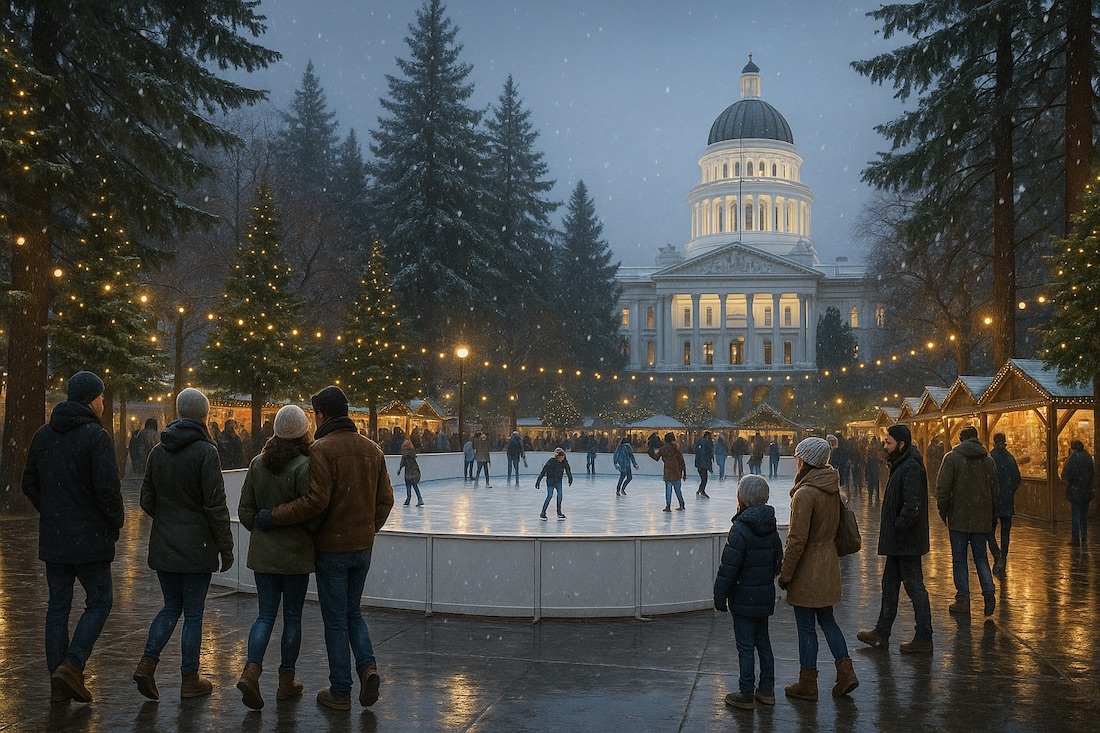
The holiday season transforms Sacramento into a vibrant landscape of pop up ice rinks, Christmas tree lots, craft markets, and seasonal festivals. Families gather for skating nights, tree shopping, and community events that mark the start of December traditions. These celebrations bring joy, yet they also create an increase in hidden slip and fall hazards that can lead to serious injuries.
Temporary holiday attractions are built quickly, often on uneven surfaces or in parking lots. They use portable flooring, rented equipment, and seasonal staffing that may not be trained in safety protocols. Wet winter nights, large crowds, and limited lighting combine to create unpredictable conditions for visitors. Many people assume that injuries at these events are part of the holiday experience or simply an accident. However, many slip and fall incidents result from unsafe conditions that could have been prevented with proper care.
Understanding how these hazards develop, and what steps to take after an injury, can help families stay safe. It also ensures that injured visitors know their rights when an event operator or property owner fails to provide a reasonably safe environment.
Common Slip and Fall Risks at Pop Up Ice Rinks
Ice rinks are among the most popular holiday attractions in the Sacramento region. Although the rink itself is expected to be slippery, the danger most often arises outside the skating area. Visitors walk around the rink to access seating, changing areas, concessions, and photo spots. These sections are rarely designed for heavy foot traffic or moisture control.
Wet and Icy Surfaces Surrounding the Rink
Water from the rink surface seeps off skates, drains onto walkways, and refreezes in cold conditions. Even when the temperature is not low enough to freeze, a thin layer of water can create a slick surface with very little traction. Temporary mats may be placed to reduce moisture, but these are often poorly secured or worn down from heavy use.
Uneven Temporary Flooring
Many pop up rinks are built on parking lots or open plazas. To level the skating surface, operators use temporary decking or plywood sheets. These materials shift over time and can create gaps or ridges that cause tripping. Visitors often cannot see the uneven surfaces because they are covered with mats or artificial snow.
Poor Lighting during Evening Sessions
Holiday rinks typically operate at night, when families attend after work or school. Lighting may be decorative rather than functional. Dim or colorful lights can make it difficult to see water puddles, mats lifting at the edges, or uneven flooring.
Overcrowded Walkways
December brings large crowds. People gather around the perimeter to take photos or watch children skate. When walkways narrow and crowds grow, slipping hazards increase. Overcrowding also leads to collisions that cause visitors to lose balance near wet flooring.
Injury Risks at Tree Lots and Seasonal Markets
Christmas tree lots, holiday markets, and winter pop up events are frequent throughout Sacramento in December. These attractions offer unique experiences, but they are often constructed quickly, without long term safety planning. Tree lots and markets may sit on dirt, gravel, or uneven pavement that becomes hazardous when combined with rain, foot traffic, or clutter.
Tripping azards from Cords, Hoses, and Stands
Tree lots use saws, trimmers, lights, and watering systems that require power cords and hoses. These are sometimes stretched across pathways or hidden under loose soil and pine needles. Tree stands, crates, and wooden supports are moved frequently and often left in walkways.
Muddy or Uneven Ground
Even a small amount of rain can turn a tree lot or craft market into muddy ground. Dirt becomes soft and unstable. Visitors may slip when stepping from puddles to firmer areas. Gravel can shift underfoot, creating ankle twisting hazards.
Narrow Aisles and Congested Foot Traffic
Markets tend to pack multiple vendors closely together. Narrow aisles combined with holiday crowds create bottlenecks. With so many people looking at merchandise or carrying items, it becomes hard to see hazards ahead.
Hidden Obstacles Under Pine Needles or Debris
Tree lots generate a significant amount of debris. Pine needles, small branches, and cut trunk pieces often fall to the ground. While they may look harmless, these materials can hide holes, uneven surfaces, or objects that cause tripping.
Who Is Responsible When a Slip and Fall Happens
Liability at holiday events can be complex because these attractions often involve several parties. Visitors may not know that responsibility can extend beyond the physical property owner. In many cases, more than one group contributes to the unsafe condition.
Property Owners
If a holiday attraction is hosted on private property, the owner must maintain safe premises. This includes addressing hazardous conditions or warning visitors when a danger exists. Property owners also have a duty to ensure that vendors and contractors follow safety standards.
Event Operators
The company running the ice rink, tree lot, or market is usually responsible for day to day safety. This includes inspecting walkways, fixing hazards, placing adequate lighting, and maintaining equipment. If the operator fails to conduct routine safety checks, they may be liable.
Vendors and Contracted Companies
Some hazards come from specific vendors, such as electrical cords, lighting installations, and temporary flooring. A contractor who installs equipment incorrectly or fails to secure materials may share responsibility.
Multiple Party Liability
Holiday events often rely on several levels of participation. When a hazard involves shared responsibilities, more than one party may be held accountable for the harm caused.
Types of Injuries Seen in Holiday Slip and Fall Cases
Slip and fall injuries can vary from mild to life changing. At holiday events, the combination of hard surfaces, dense crowds, and temporary structures increases injury severity.
Sprains, Fractures, and Joint Injuries
Ankle sprains, wrist fractures, and knee injuries are common when visitors slip or trip unexpectedly. Many people extend their arms to break a fall, which leads to shoulder and elbow injuries.
Back and Neck Injuries
Sudden falls can strain the spine or cause herniated discs. Some injuries may not appear immediately. Back soreness that seems minor initially can develop into a serious condition.
Traumatic Brain Injuries
Falls onto concrete, plywood, or equipment can cause concussions or more severe traumatic brain injuries. Even a fall from standing height can result in a head injury when the surface is hard.
Higher Risks for Older Adults
Older adults are especially vulnerable to fractures, including hip injuries, which can lead to long recovery periods and significant medical costs.
What to Do Immediately After a Holiday Slip and Fall Accident
A slip and fall can feel embarrassing or confusing, especially in a crowded place. However, what someone does in the minutes and hours after the incident can significantly impact their health and their claim.
Report the Incident Immediately
Find event staff, a manager, or a property owner. Ask for an incident report and request a copy if available. Early reporting helps document the hazard before conditions change.
Photograph the Area Where the Fall Occurred
Surfaces at holiday events change quickly as staff clean, move items, or replace equipment. Taking clear photos of the exact spot, lighting conditions, wet areas, mats, cords, or debris is essential.
Identify Witnesses and Staff
Get names and contact details from anyone who saw the fall or the hazard. Witness statements can help strengthen a claim.
Seek Medical Evaluation
Even if the injury seems minor, a medical evaluation helps create documentation. Many injuries develop symptoms over time. Waiting too long may weaken a claim.
Preserve Receipts, Tickets, and Documents
Tickets, wristbands, payment receipts, or emails showing attendance can help connect the visitor to the event and the timeframe.
How Sacramento Holiday Events Complicate Injury Claims
Holiday attractions often operate for only a few weeks. Once the season ends, the structures are dismantled and evidence disappears. This makes it harder to prove what happened.
Short Event Durations
Once the equipment is removed, the condition of the property changes. Without documentation, it becomes challenging to show the hazard that caused the injury.
Temporary Staffing
Seasonal workers may not be trained to handle incidents consistently. Reports may be incomplete or inaccurate.
Scattered Responsibility
With multiple vendors and operators involved, determining responsibility requires careful investigation.
Inconsistent Lighting and Signage
Many holiday events emphasize atmosphere over safety. Poor lighting and inadequate signs can hide hazards, yet these conditions may be overlooked unless documented early.
Early Legal Guidance is Important
Because evidence can vanish quickly, speaking to a lawyer soon after an injury is essential. A legal team can begin gathering records, photos, and statements before the event closes for the season.
When to Contact a Sacramento Slip and Fall Lawyer
Many visitors hesitate to reach out for legal help because they think a slip and fall at a holiday event is just bad luck. However, unsafe conditions arise when responsible parties fail to take reasonable steps to protect guests.
It is time to seek legal guidance if any of the following are true:
• The fall happened because of a wet, uneven, or cluttered surface
• Lighting was poor or walkways were blocked
• Staff failed to fix or warn about a hazard
• The injury required medical care
• You have ongoing pain, mobility issues, or difficulty working
• The event operator denied responsibility or refused to provide documentation
A slip and fall lawyer can help investigate the incident, preserve evidence, and determine whether negligence contributed to the injury.
How Hoss Law Supports Injured Visitors and Families
Hoss Law is rooted in the Sacramento community. The firm understands the layout of popular holiday attractions, the operators behind these events, and the common hazards seen each December. This local knowledge helps create stronger cases and more effective strategies for injured clients.
Documenting Hazards
The team gathers evidence quickly, including photos, witness statements, and property records. This is especially important for temporary events that close soon after an incident.
Investigating Responsibility
Hoss Law identifies which parties contributed to the unsafe condition, including property owners, event operators, and contractors.
Coordinating Medical Care
Getting care early is essential. The firm helps clients understand treatment options and organizes records for the claim.
Pursuing Full Compensation
Slip and fall injuries can lead to medical bills, lost income, long term pain, and reduced mobility. The goal is to secure compensation that reflects the true impact of the injury.
Personalized Support
Every case receives direct attention. Clients are guided through every step, from reporting the incident to negotiating with insurance companies.
This article is for informational purposes only and does not constitute legal advice.