
Why Holiday Delivery Truck Accidents Increase in Roseville
December brings a surge of delivery activity throughout Roseville, especially in neighborhoods surrounding the Galleria, the Fountains, and densely populated residential communities like Westpark, Highland Reserve, Diamond Oaks, and Blue Oaks. Families order gifts, groceries, decorations, and household supplies at higher volumes than at any other time of year. Companies such as Amazon, UPS, FedEx, DHL, and regional courier services increase their fleets by adding seasonal drivers, contracting temporary workers, and expanding delivery windows into early mornings and late evenings. This rapid growth in delivery activity creates a significant rise in delivery truck accidents during December.
The combination of rushed schedules, inexperienced seasonal drivers, and congested suburban streets makes accidents far more likely. Neighborhoods that are normally calm throughout the week suddenly see dozens of vans moving through narrow residential roads. The sheer number of stops, starts, turns, and deliveries creates constant motion, which increases the potential for mistakes. Weather conditions also become a major factor. Early sunsets reduce visibility, and winter rain makes streets slick, further increasing the chance of collisions. These risks rise dramatically during the final two weeks before Christmas, when shipping deadlines intensify pressure on delivery companies.
Understanding the reasons behind this seasonal spike helps injured victims recognize when negligence may be involved and what actions to take to protect their rights.
Common Causes of Holiday Delivery Truck Crashes
Rushed Schedules and Strict Quotas
Delivery drivers face extraordinary pressure during December. Companies emphasize volume and speed, often requiring drivers to complete long lists of stops within limited timeframes. Many drivers feel compelled to move quickly through neighborhoods, take sharp turns, or make incomplete stops to stay on schedule. This pressure increases the likelihood of collisions with other vehicles, parked cars, and pedestrians. Even small lapses in judgment become dangerous when operating a vehicle that carries greater size and weight than a standard passenger car.
Driver Fatigue During Peak Season
Fatigue plays a major role in holiday delivery accidents. Long shifts, extended routes, and limited rest periods create situations where drivers are mentally and physically drained. Fatigued drivers often experience slower reaction times, reduced attention to surroundings, and impaired decision making. In residential neighborhoods with children, pets, and holiday visitors walking outside, these impairments greatly increase the risk of serious accidents.
Improper Backing and Blind Spot Collisions
Delivery trucks have large blind spots, and many drivers must back into driveways or tight parking areas multiple times throughout their shift. During holiday season congestion, drivers may not have enough space to maneuver safely. Collisions frequently occur when a driver backs into pedestrians, cyclists, or vehicles parked along the street. Seasonal drivers who lack experience with larger vehicles are more likely to misjudge distance and movement, making blind spot accidents more common.
Distracted Driving From Navigation and Devices
Delivery drivers rely heavily on navigation apps and scanners to track packages and route details. Constantly checking devices contributes to distraction behind the wheel. Drivers may look down to confirm an address, adjust GPS directions, or scan a package for delivery. In a neighborhood setting, where children play outside and pedestrians cross unpredictably, even a brief distraction can result in a serious collision.
Speeding Through Neighborhoods to Meet Deadlines
In an effort to manage long delivery lists, drivers sometimes exceed posted speed limits in residential areas. Speeding reduces reaction time and increases stopping distance, especially on wet pavement. During December, when children are home from school and holiday visitors come and go, these neighborhoods become active pedestrian zones. Speeding delivery trucks pose a serious hazard in these conditions.
Unsafe Parking and Sudden Stops
Delivery drivers frequently pull over in unconventional or unsafe locations, such as blocking lanes, stopping near intersections, or parking too close to driveways. Sudden stops surprise other drivers, who may not have enough room to brake safely. These unpredictable movements create a significant risk for rear end collisions and sideswipe accidents during busy holiday periods.
How Neighborhood Conditions Increase Accident Risk
Narrow Residential Streets Filled With Cars
Roseville neighborhoods often become packed with vehicles during December. Visitors fill street parking, households host gatherings, and families return from shopping with multiple cars in the driveway. Narrow streets with limited room to maneuver create difficult conditions for large delivery trucks. Drivers may struggle to navigate tight corners or avoid parked cars, which increases the risk of impact accidents.
Early Sunset, Rain, and Poor Visibility
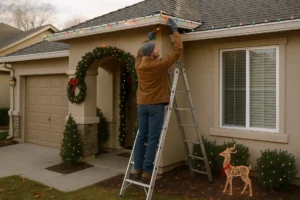
Visibility challenges intensify during winter. The sun sets early, leaving many deliveries to occur in dim or completely dark conditions. Rain and wet pavement reduce the ability of drivers to see pedestrians or objects on the road. Decorative holiday lighting, while festive, sometimes creates glare or reflections that interfere with proper visibility. Drivers who fail to adjust to these conditions place both residents and themselves at risk.
Pedestrians Walking Dogs, Children Playing, and Holiday Visitors
Holiday season activity creates constant movement on residential sidewalks. Children play outside longer, dogs are walked more frequently, and guests visit for evening gatherings. Pedestrians often step into the street to avoid puddles or parked cars, and children may dart unexpectedly from behind vehicles. Delivery drivers who are rushing or distracted may not notice these movements in time to prevent a collision.
Increased Traffic Around Shopping Centers and Distribution Routes
Major commercial hubs in Roseville become heavily congested during December. Delivery trucks entering and exiting large parking lots must navigate vehicles braking suddenly, pedestrians walking through aisles, and drivers competing for parking spaces. These chaotic environments create a higher chance of collisions, especially when delivery schedules are tight.
Injuries Seen in Delivery Truck Accidents
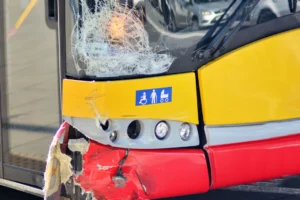
Delivery truck accidents tend to produce serious injuries because commercial vehicles carry more weight and generate greater force upon impact. Pedestrians, cyclists, and occupants of smaller vehicles are especially vulnerable.
Pedestrian injuries are among the most severe. A delivery truck striking a pedestrian, even at low speed, can cause fractures, spinal damage, internal injuries, or traumatic brain injuries. Cyclists face similar risks, especially when a truck turns or backs up without fully checking blind spots.
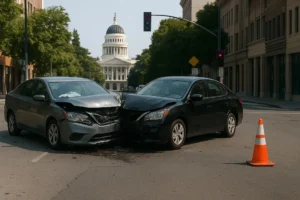
Occupants of passenger vehicles often suffer neck, back, and spinal injuries when struck by a delivery truck. The difference in vehicle size can cause significant force transfer, leading to whiplash, herniated discs, or joint trauma. Fractures and soft tissue injuries are common when vehicles collide in narrow spaces or at higher speeds on main roadways.
In more serious cases, victims may experience long term mobility limitations or require extended physical therapy. The recovery process can be slow and costly, particularly for individuals with preexisting conditions that worsen after the crash. A clear medical evaluation and ongoing documentation are essential for proving the full impact of these injuries.
When Delivery Companies May Be Liable
Delivery companies may be held responsible when their drivers or corporate practices contribute to an accident. Negligent hiring is a frequent issue during the holidays, when companies recruit seasonal workers who may lack the training or experience needed to operate large commercial vehicles safely. Inadequate training on navigation, backing procedures, and hazard awareness increases the chance of collisions.
Company pressure can also create liability. Many delivery drivers report that they must meet strict quotas or time expectations that prioritize speed over safety. When companies encourage or allow unsafe delivery practices, they may be held accountable for the resulting harm.
Vehicle maintenance is another factor. Delivery trucks that are used constantly throughout December require proper upkeep. Worn tires, damaged mirrors, malfunctioning brakes, or poor lighting can contribute to accidents. If a company neglects maintenance, the failure may lead directly to a crash.
Liability may also depend on whether the driver is an employee or an independent contractor. Some companies, such as Amazon, use contracting programs that complicate the process of determining responsibility. Multiple parties, including contractors, corporate entities, and third party fleet managers, may be involved. Identifying the correct party requires careful legal analysis.
What to Do After a Delivery Truck Accident
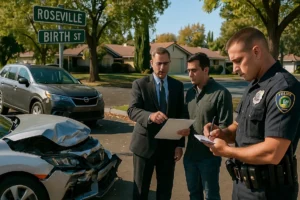
After a delivery truck accident, taking immediate steps can make a significant difference in your health and the outcome of your claim. Reporting the incident to local authorities ensures there is an official record. If possible, documenting the scene with photographs helps preserve critical evidence. This includes capturing vehicle placement, street conditions, visibility levels, skid marks, and the position of pedestrians or bicycles.
When available, dashcam or home security footage can be invaluable. Many Roseville homes have doorbell cameras, and these recordings often capture the moments leading up to an accident. Securing this footage quickly is important because many devices overwrite old recordings within a short period.
Seeking medical attention as soon as possible is essential. Injuries from delivery truck accidents can worsen over time, and early treatment helps establish a clear link between the accident and the symptoms. Keeping a daily record of symptoms, treatment plans, and mobility limitations helps support the injury claim. Saving receipts, packages, and delivery notifications can also assist in establishing the exact time and location of the incident.
Why Holiday Delivery Accident Claims Are More Complicated
Holiday season delivery truck accident claims involve several unique challenges. Multiple companies may share responsibility, and contractor arrangements can complicate the process of determining liability. Evidence such as GPS data, driver dispatch records, and vehicle maintenance reports is time sensitive and may be difficult to obtain without legal assistance.
Neighborhood conditions change quickly during the holidays. Decorations, street parking, foot traffic, and lighting are all temporary. Witnesses may be difficult to locate because many people are visiting from out of town. Insurance disputes are more common because companies often try to shift blame between drivers, contractors, and subsidiaries. These challenges make early legal guidance essential for protecting your rights.
When to Contact a Roseville Delivery Truck Accident Lawyer
You should consider contacting a lawyer if you were injured in a delivery truck accident and believe negligence played a role. Signs of negligence include speeding, distracted driving, improper backing, unsafe vehicle conditions, or pressure placed on drivers to meet unrealistic delivery expectations. Early legal intervention helps secure critical evidence before it disappears and ensures that your injuries are documented properly.
How Hoss Law Helps Injured Victims in Delivery Truck Crashes
Hoss Law provides comprehensive support for individuals injured in delivery truck accidents. The firm works quickly to gather evidence such as video footage, vehicle records, and driver information. Hoss Law identifies all potentially responsible parties and investigates whether company practices, training failures, or mechanical issues contributed to the crash.
The firm assists clients in organizing medical documentation, managing communication with insurance companies, and preparing a claim that fully reflects the financial and physical impact of the injury. Hoss Law pursues compensation for medical bills, lost income, reduced mobility, and pain. Throughout the process, clients receive clear guidance and personal attention to help them navigate recovery with confidence.
This article is for informational purposes only and does not constitute legal advice.